
Service 02
Hydro Excavation & Line Services
Uncovering in-ground utilities and pipelines with water instead of steel, and jetting blockages out of pipelines, gathering systems, and plant piping. Nothing gets struck, nothing gets cut, and the line goes back to flowing, which is also the cheapest version of the job because there is no repair, no report, and no shut-in behind us.
Why hydro
Precision where a backhoe is a liability
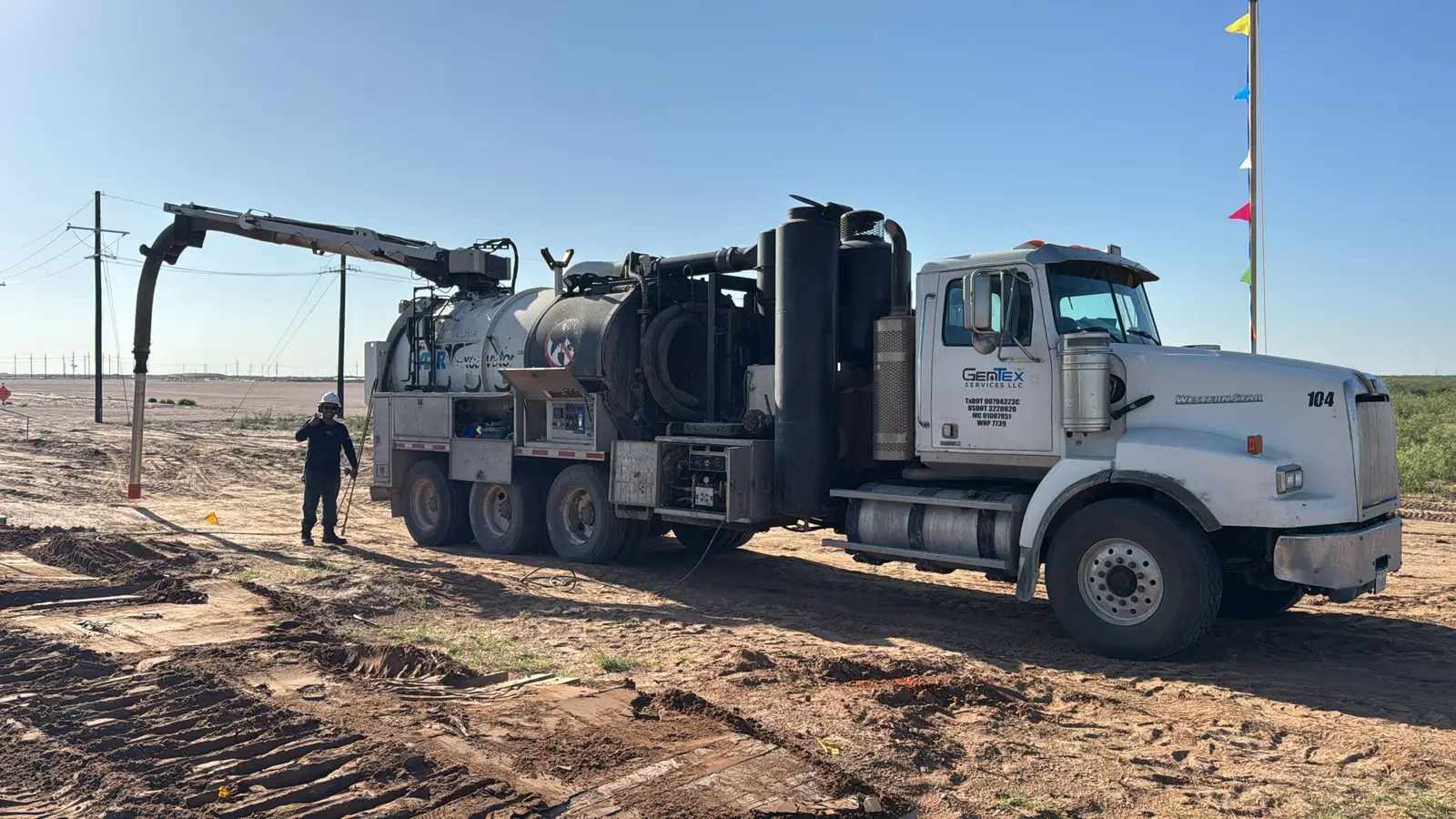
Around live product lines, buried fiber, congested pads, and inside a plant fence, mechanical excavation is a gamble. Hydro excavation washes the soil away with water and vacuums it out, so the line is uncovered rather than dug into, and the coating is still intact when we walk away.
It is also the only practical option in frozen or caliche-hard ground, in tight right-of-ways, and anywhere the spoil has to leave the location instead of sitting in a pile beside the hole.
A struck line is a repair, a report, and a day nobody planned for. Digging with water is cheaper than any one of those, which is the rare case where the careful way is also the fast way.
- Daylighting and potholing before tie-ins and crossings
- Trenching and pole holes in congested or hard ground
- Spoil vacuumed and hauled, no pile left on location
- Supervisor on location for the whole job
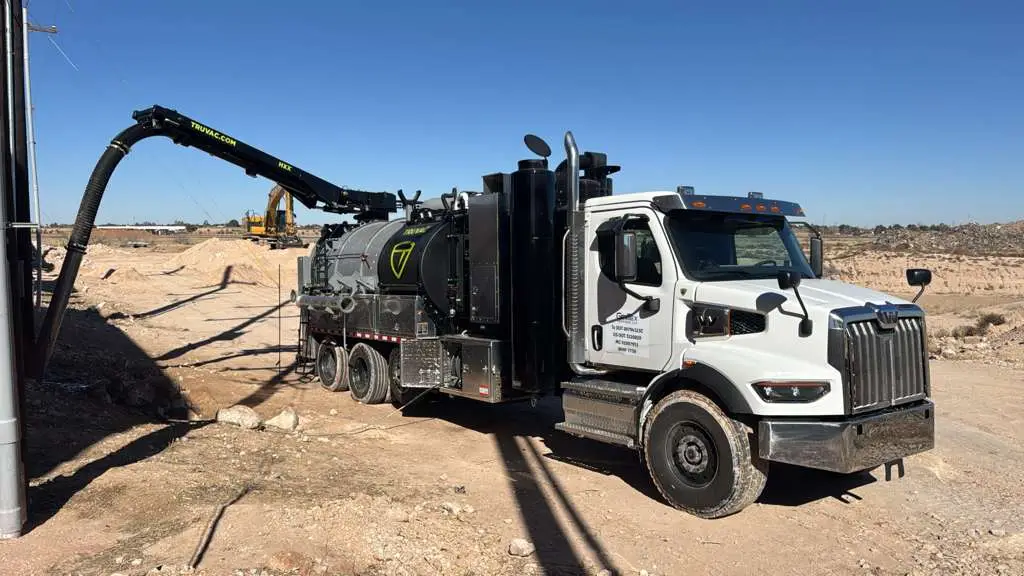
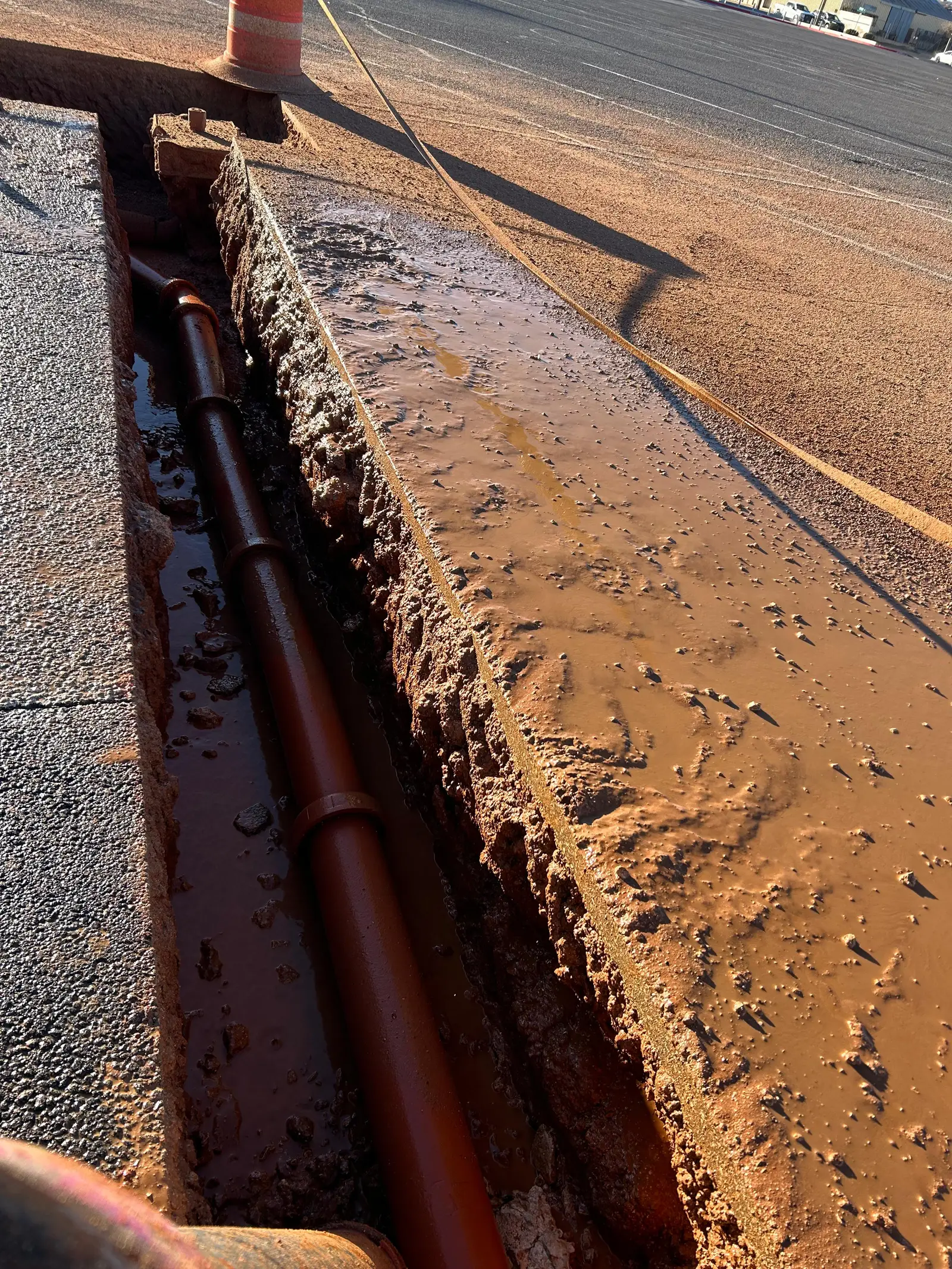
On location
What it looks like on the ground
Water cutting the hole and the vacuum pulling the spoil out, on a live location. Six seconds of the actual work, no music, no narration.
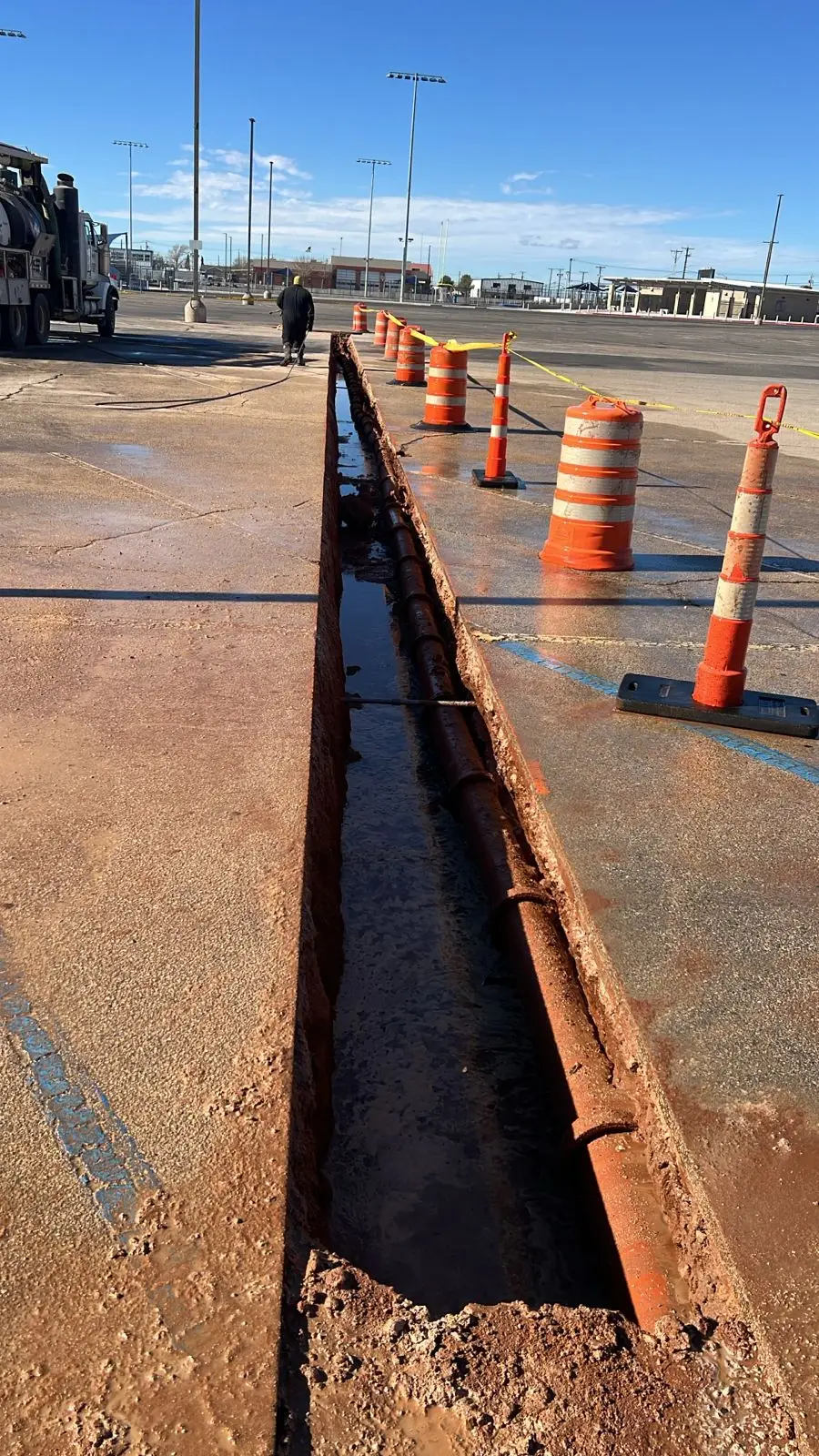
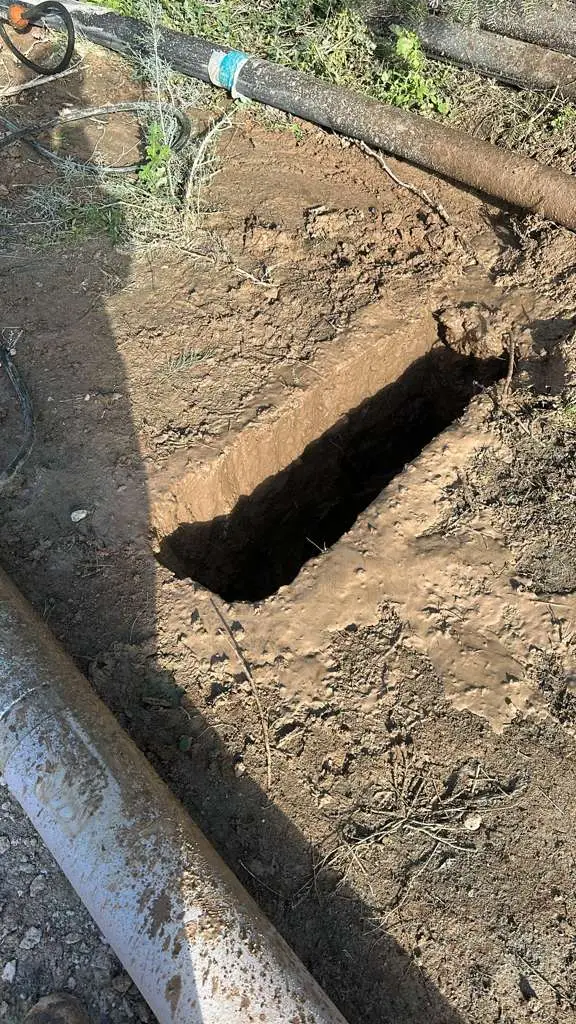
What we do
Excavation and line work
Line jetting up to 1,500 ft
High-pressure jetting that runs 1,500 feet down a line to cut scale, paraffin, and solids off the wall and push them out. Flow lines, drains, culverts, gathering lines, and plant piping come back to full bore.
Hydro excavation
Pressurized water and vacuum recovery to dig without a blade in the ground. Daylighting, potholing, trenching, and pole holes around live lines, fiber, and buried utilities. Water washes the dirt off the line instead of a bucket tearing into it, so what is down there gets uncovered rather than hit.
Line locating
We locate and mark the line before anyone digs, and we locate it again when the map and the ground disagree. Knowing exactly where it runs is what makes the excavation safe, and it is what keeps a dig from turning into a repair ticket.
Pipeline blockage removal
Plugged line, no flow, and pressure building. We find the blockage, work it from the accessible end, and open the line back up without cutting it out of the ground: no dig, no repair weld, and nobody standing in a hole to get it done.
Line jetting
1,500 feet of reach down the line
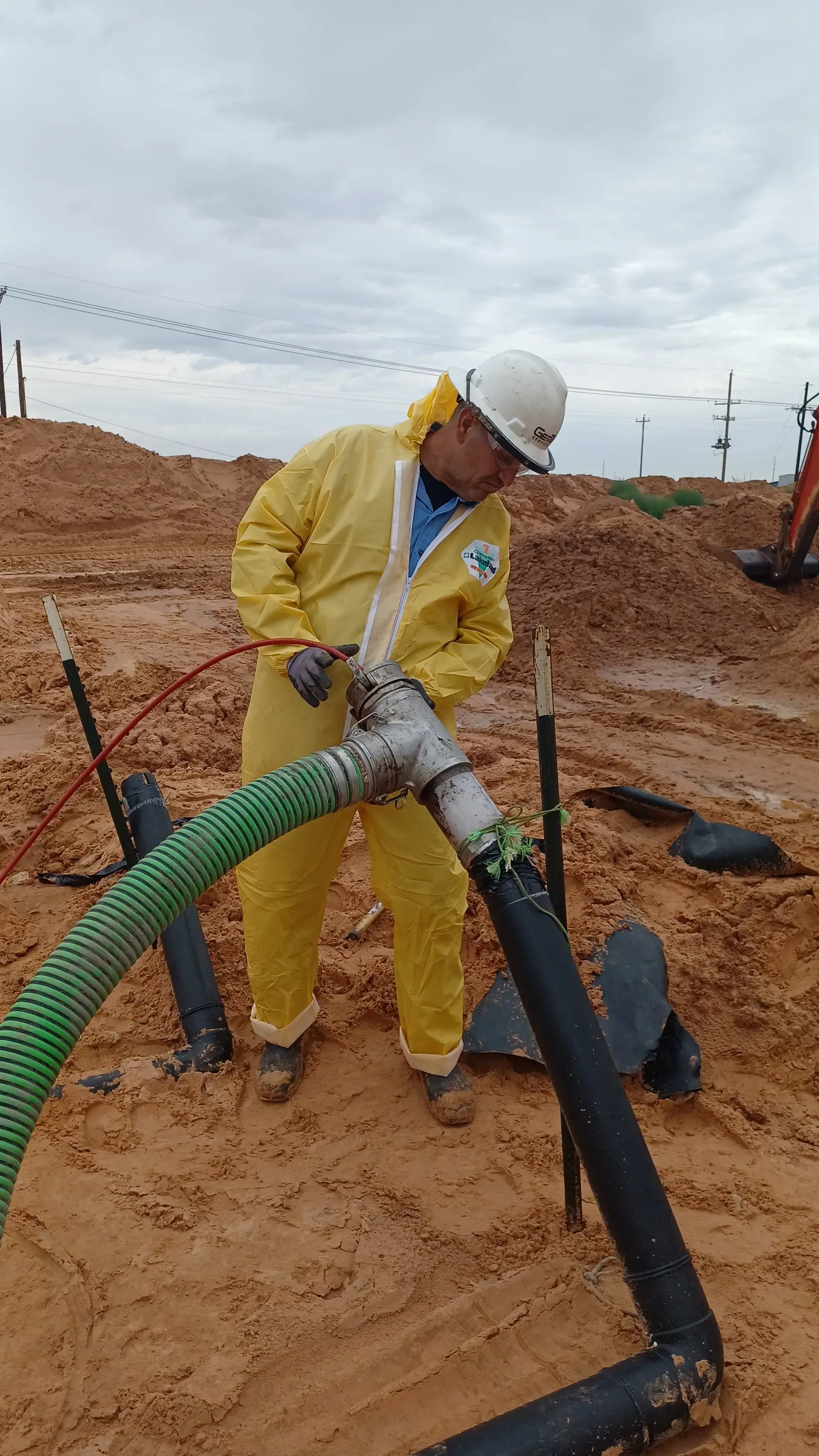
Most jetting jobs fail because the tool runs out of hose before it runs out of line. Our setup carries enough hose and enough pressure to work 1,500 feet in and still cut what is on the wall on the way back out.
We jet flow lines, drain lines, sumps, culverts, gathering lines, and plant and facility piping, and when a line is plugged solid, we work the blockage rather than digging it up. It is some of the most requested work we do, and it is not limited to oil and gas.
Need a line opened or a hole daylighted?
Give us the location, the depth, and what is in the ground. We will locate before we dig and bring the right truck the first time, so the job does not need a second trip.