
Service 01
Confined Space & Vessel Cleaning
The safest confined space job is the one nobody enters, so that is where we start: most vessels can be cleaned end to end from the manway with nobody inside. When a job does call for an entry, because the tank has to be closed out from within or has to come back cleaner than a wash alone will get it, our certified crews go in after any H2S, LELs, or benzene are treated with 509 and the bulk of the material is knocked down from the outside, so the time spent inside is short. Either way, the hazard gets dealt with before the cleaning starts.
How it works
The atmosphere first. Then the least exposure the vessel allows.
Every job starts with the atmosphere. A confined space carries more than one kind of risk, heat, footing, and restricted access among them, but the atmosphere is the one that can put a person down before anybody reaches them, and H2S, LELs, and benzene are the worst of it. The atmosphere is tested before anyone enters, and where any of them are present we treat the space with 509 to break them down before the cleaning starts. Gentex is a 509 distributor: it goes on oilfield vessels and plant vessels the same way, and we sell it to customers who want it for their own work. The rest of the hazards get managed the way they should be: analysis, monitoring, PPE, and a supervisor on the job.
No entry, wherever the vessel allows it. Our wash trailers reach a tank end to end from the manway, so the crew washes from the access point, moves solids to the outlet, and recovers them without a boot on the floor. Nobody breaks the plane of the vessel: no entry permit, no attendant, no retrieval setup, no rotation on a permit clock. That is how frac tanks, ISOs, tankers, and production tanks are usually cleaned.
Entry when the job calls for it. Some tanks cannot be finished from the manway at all; an AST or a Poseidon tank usually has to be closed out from the inside. Others could be, but should not be: a vessel that has to come back cleaner than a wash alone will get it. When the job needs an entry, our certified crews make it, and never before the hazard has been dealt with: 509 on any H2S, LELs, or benzene present, the bulk of the material knocked down from the outside, and the atmosphere monitored the whole time. The crew that goes in is finishing a short job rather than starting a long one.
Your risk management people have the final say on any entry, and we work to whatever their permit requires. What we will not do is put a crew into a vessel we have not made safer first, or bill you for hours inside that the right equipment could have avoided.
- 509 applied wherever H2S, LELs, or benzene are present, entry or no entry
- Non-entry scope needs no permit, attendant, or entry rotation
- Entry scope worked by certified crews with the same equipment behind them
- Wash and recovery handled by the same setup, no extra vacuum trucks
Equipment
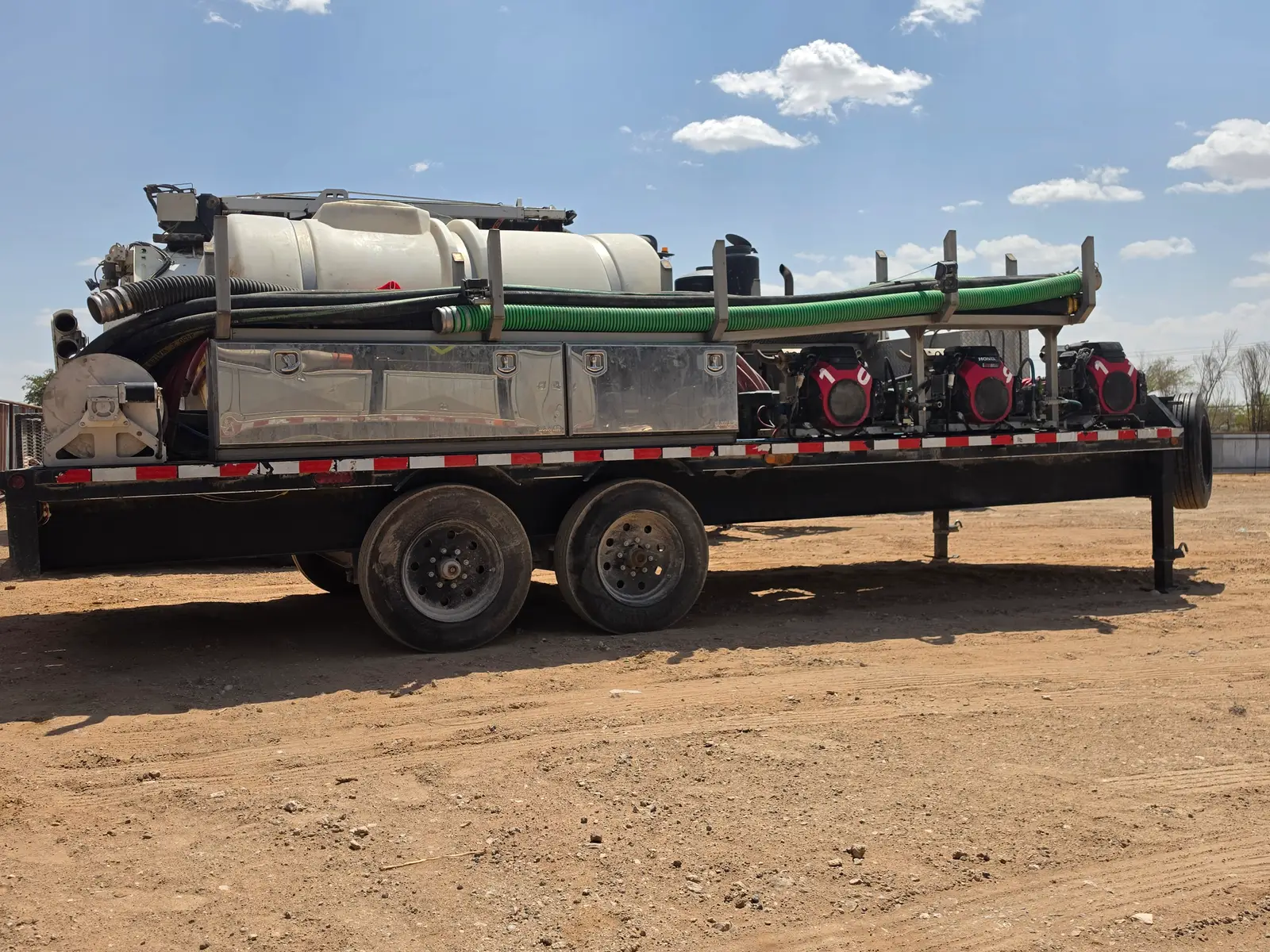
The Gentex wash trailers
Built in-house because nothing on the market did this job the way it needed to be done. Every one of them is built the same way, and each earns its keep twice: it cleans a vessel from the outside, and where an entry cannot be avoided it cuts down what is left so the time inside is short. Four wands and a one-inch high-pressure jet line do the work, and our modified vacuum trucks take away what comes out of the vessel, both built in our own shop, and it is the pairing that makes the job safer and faster at once.
What we clean
Vessels and tanks, in the field and in the plant
ASTs & Poseidon tanks
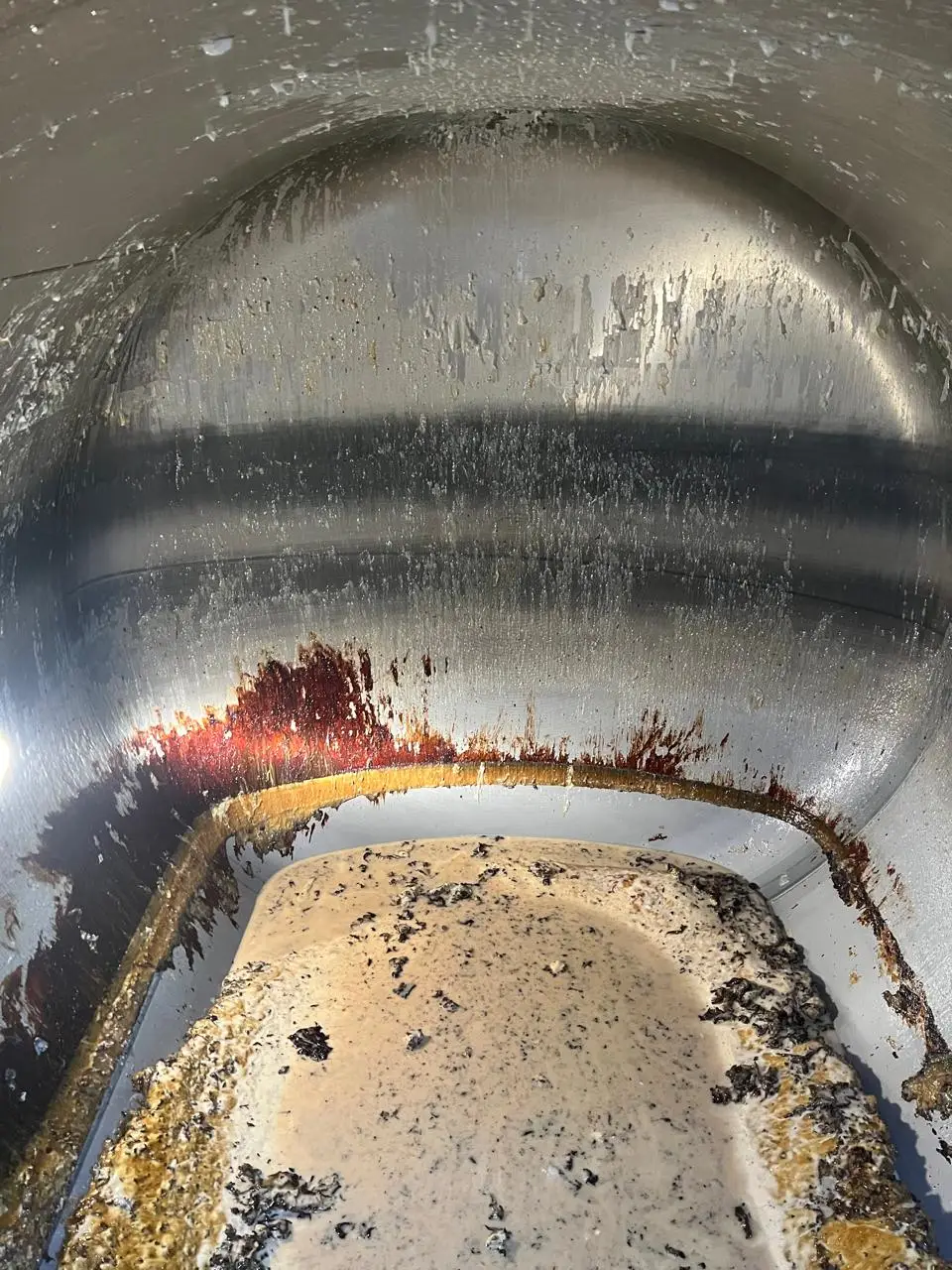
Sludge, paraffin, and settled solids knocked down from the outside and recovered first, so the entry that finishes the tank is short instead of a shift-long crawl. Treated before anyone goes in.
Frac tanks & production tanks
Worked end to end from the manway. Solids moved to the outlet and recovered, with or without a person in the tank.
Industrial & plant vessels
Process vessels, sumps, and tanks at chemical plants and facilities, treated, cleaned, and turned back over ready for inspection.
ISO containers
Interior wash plus RO rinsing so the box goes back into service clean and ready to reload.
Tankers
Trailer interiors washed and RO rinsed to the standard your next load requires.
Mixers & salt water tanks
Blender and mixer tubs cleaned between products; scale and solids pulled out of SWD and produced water tanks so gauging and capacity come back.
Liner cleaning & disposal
We clean tank and pit liners in place, then pull, roll, and haul the spent liner off for disposal so you are not left with it stacked behind the location.
RO rinsing on ISOs & tankers
Reverse-osmosis final rinse leaves no mineral residue behind, the finish loaders and shippers ask for when a box or trailer is going back into product service.
Before and after
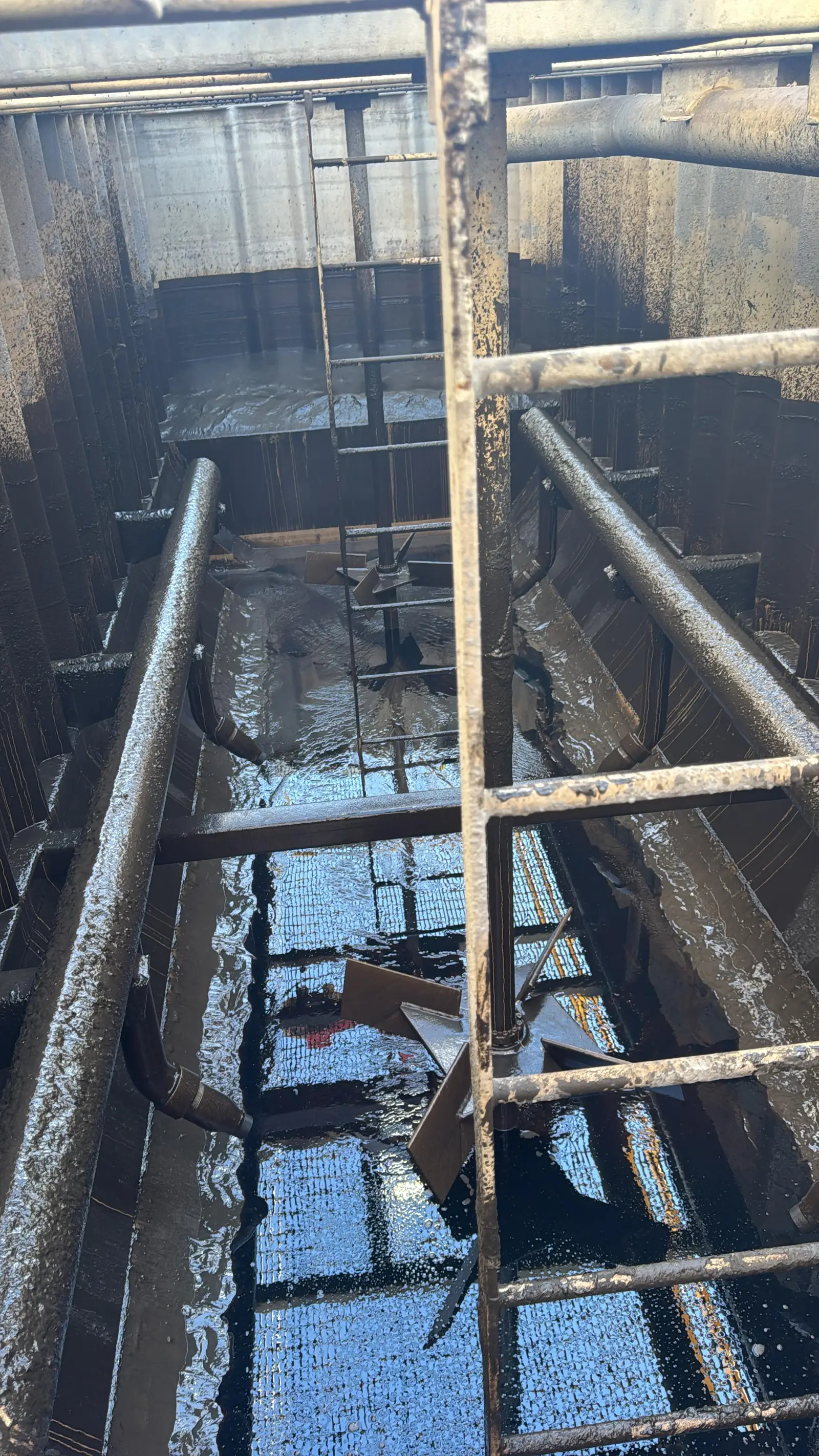
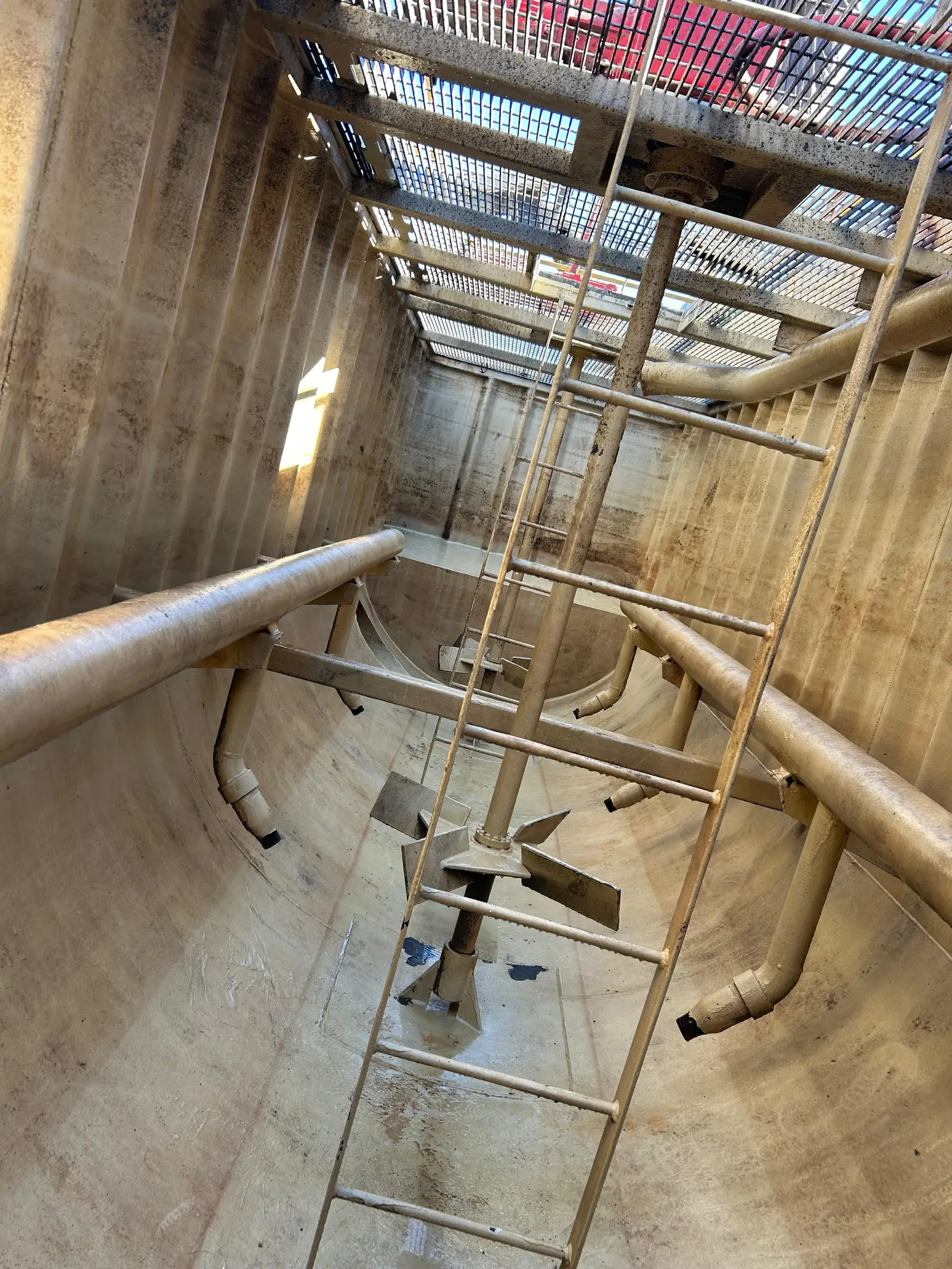
A mixer, start to finish
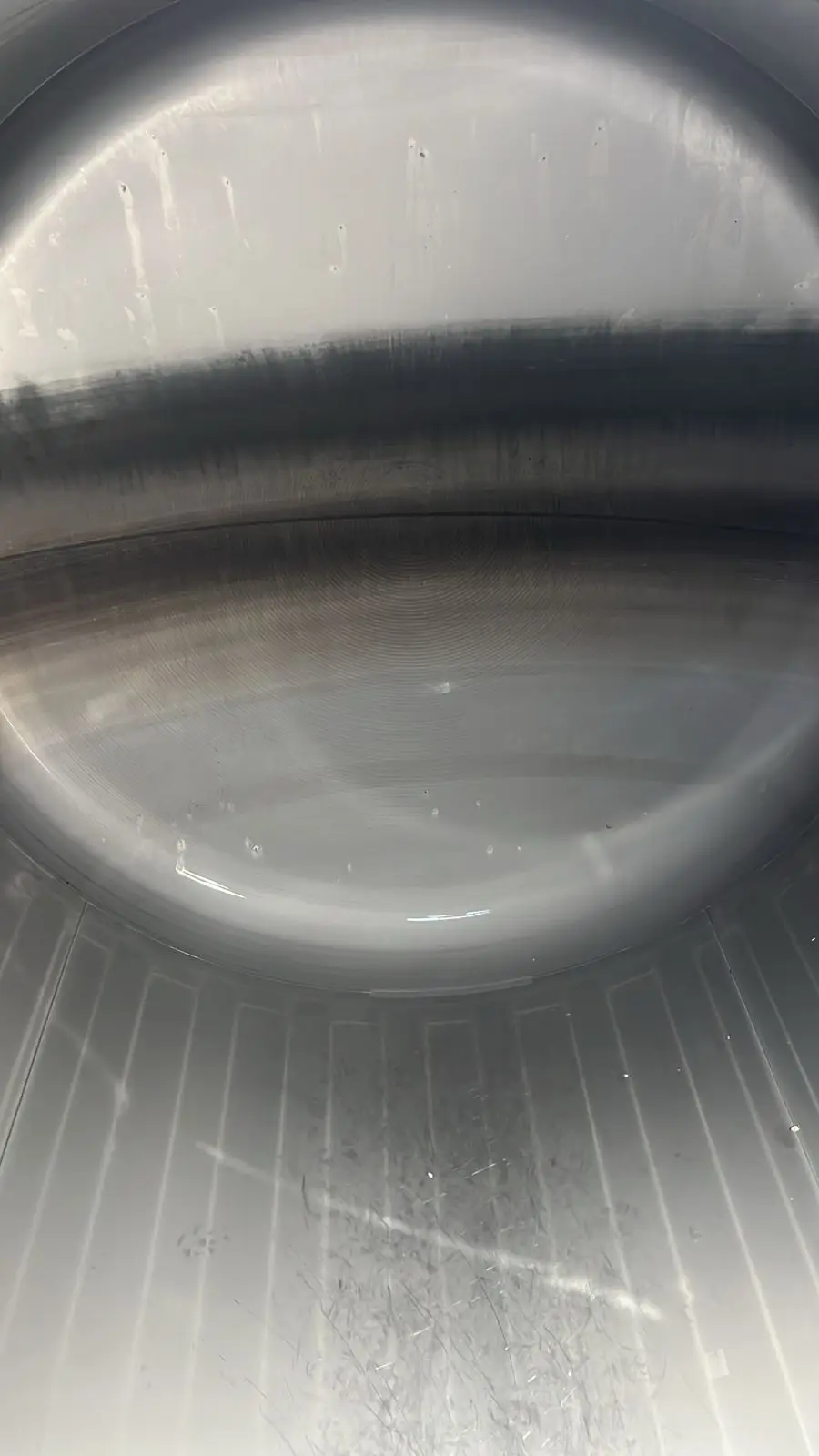
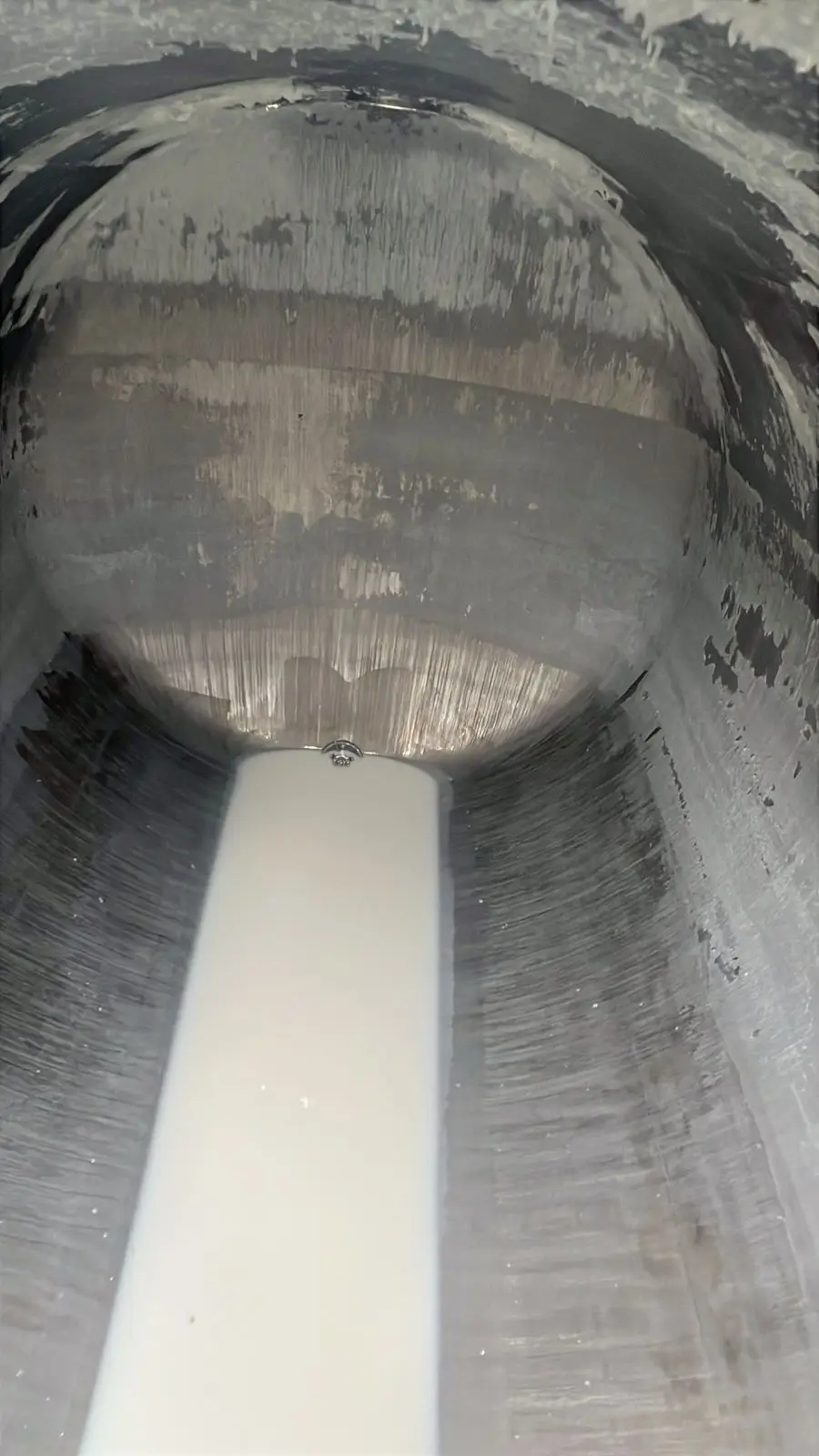
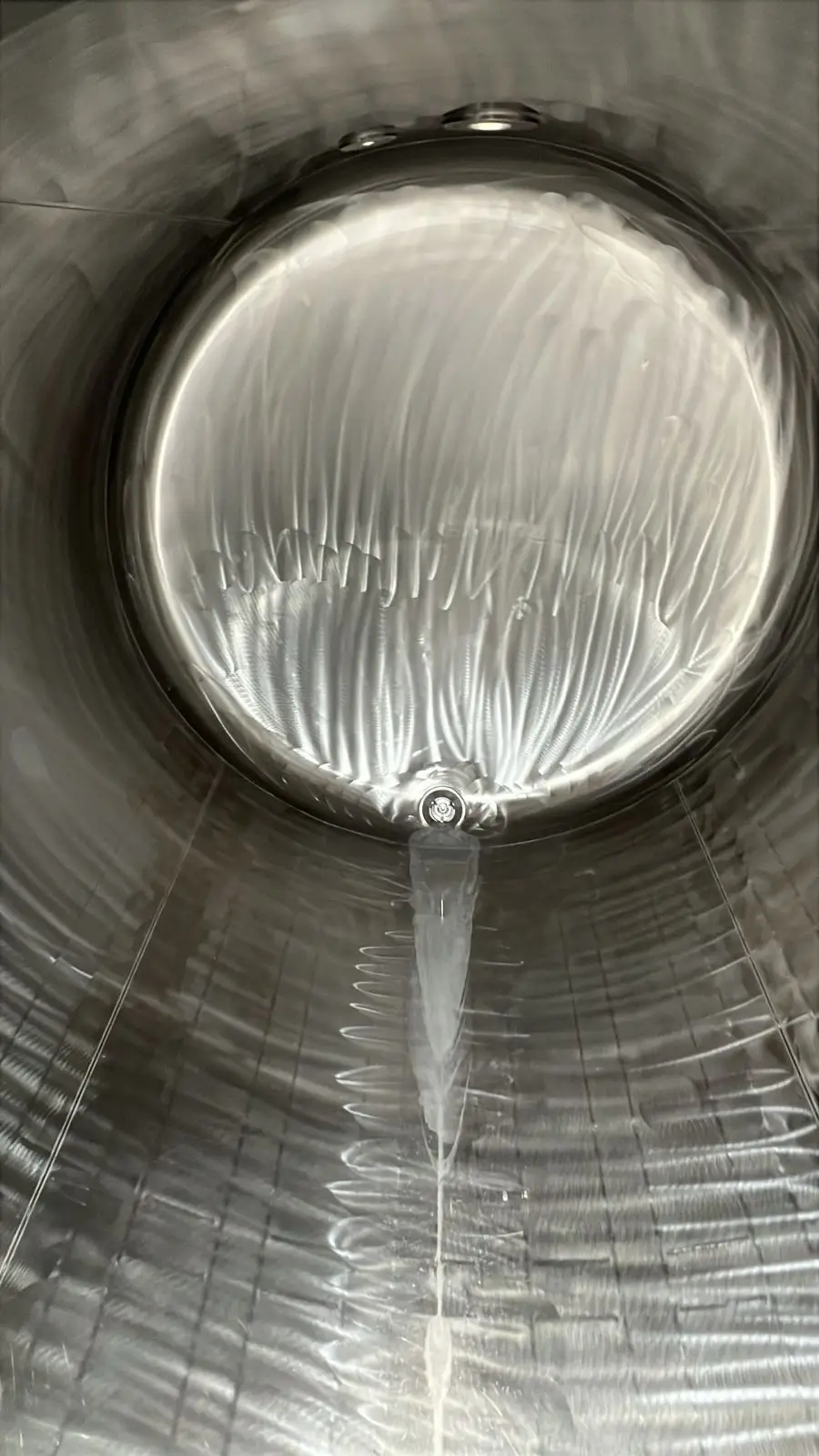
Product coating the shell, the agitator and the floor, and the same vessel handed back with the steel bare and every paddle and pipe visible again.
On location
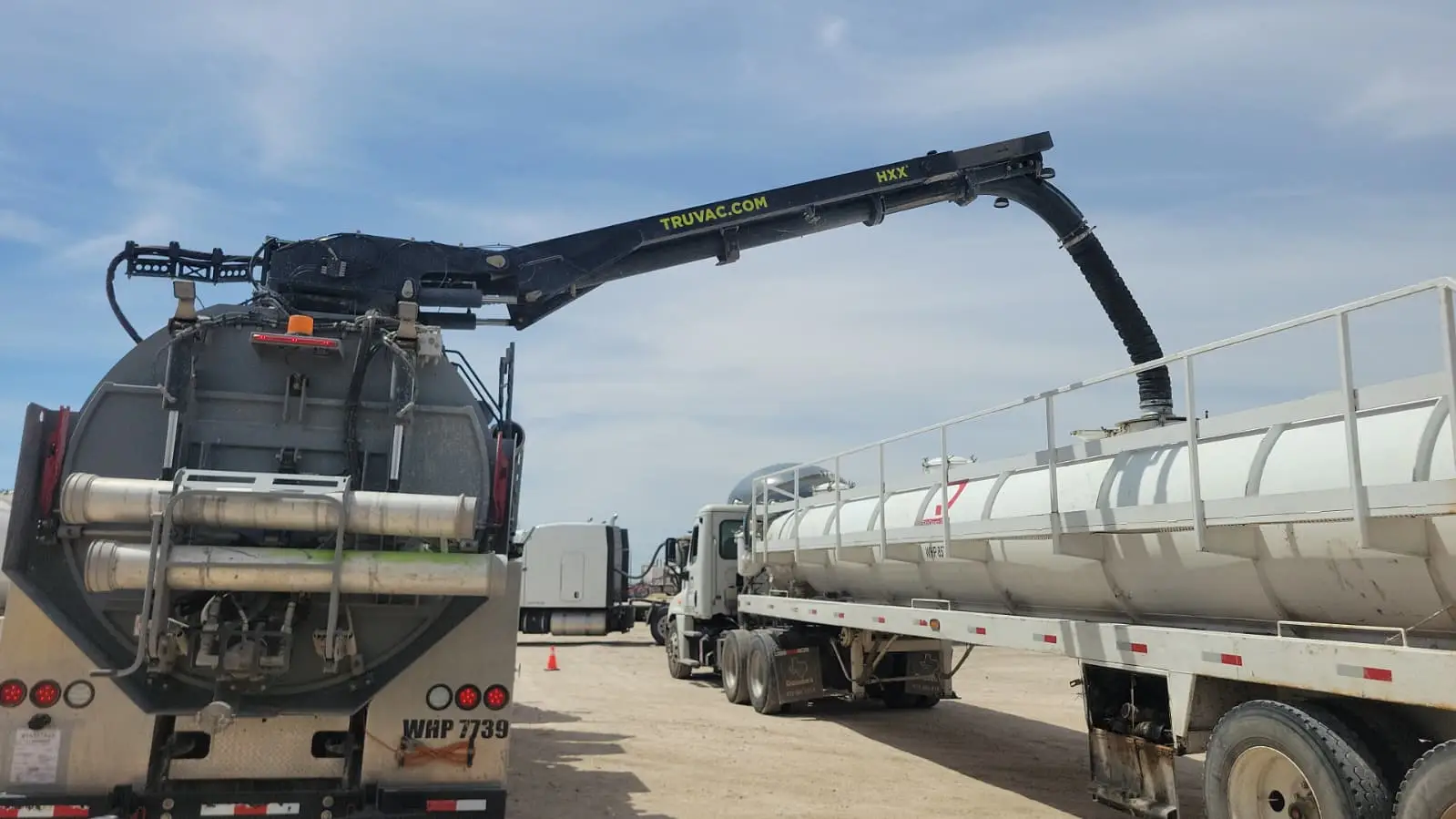
Knocking solids down with the water cannon
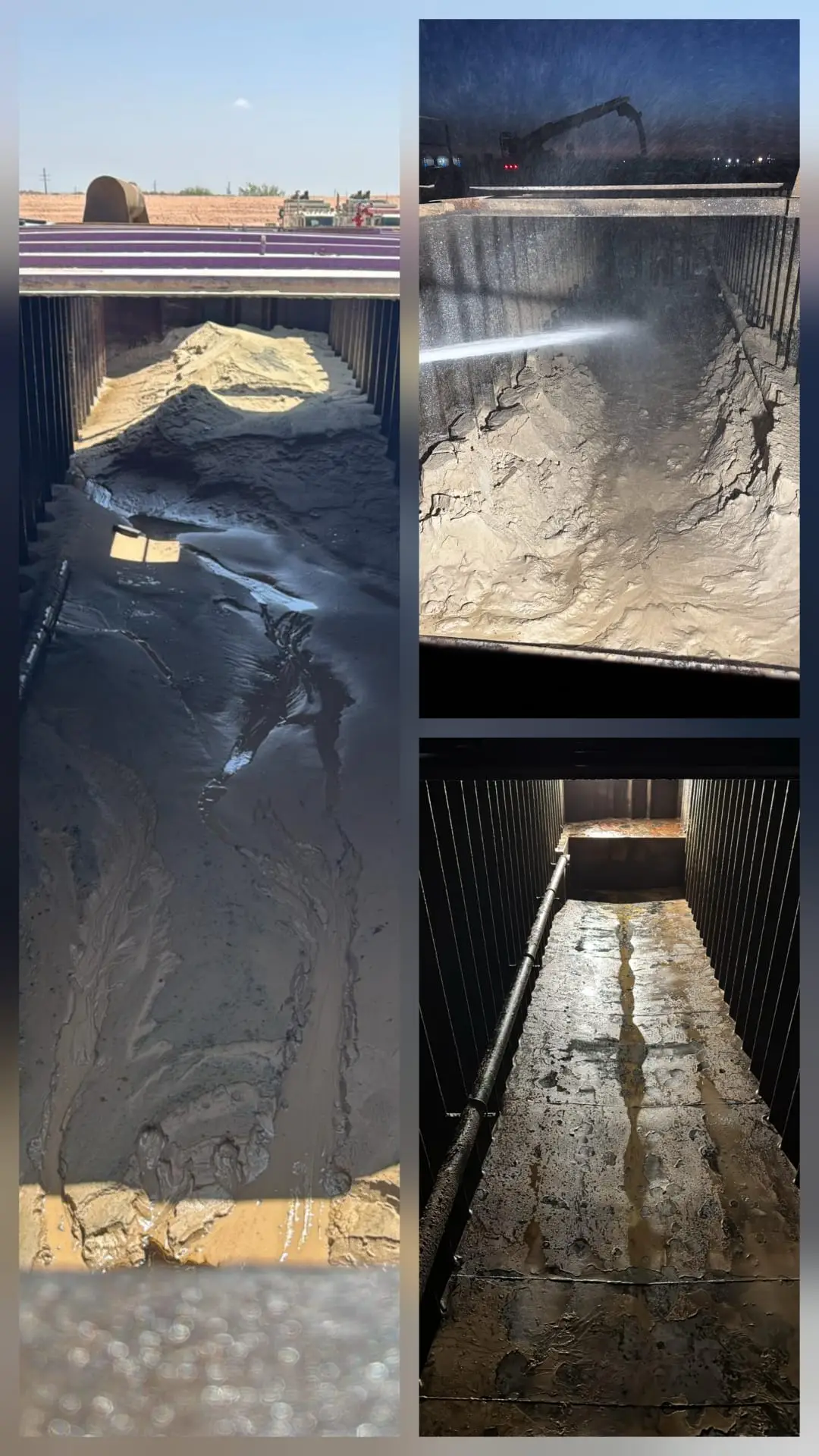
High-volume water moving settled solids off the floor and the wall, the step that turns a shift-long entry into a short one.
On the job
250 bbl production tank, cleaned with nobody inside it
A 250 bbl tank had historically meant an entry permit, an attendant, a retrieval setup, and a crew rotating in and out of a hot, sludged-up vessel for the better part of a day.
The job did not require an entry, so Gentex cleaned it from the manway. The wand reached the far wall, the solids came out through the outlet, and our people never broke the plane of the tank. Same finished tank, roughly half the clock, and the highest-risk exposure on the job never existed.
On a tank that has to be closed out from the inside, the same equipment shortens the part that carries the risk. The crew goes in behind any 509 the atmosphere called for and behind a tank already knocked down from the outside, so they are finishing a clean tank rather than cutting one out by hand. Either way the space gets treated first.
Have a vessel that needs cleaning?
Tell us what it is, what is in it, and where it sits, whether that is a lease, a plant, or a yard. We will tell you whether the job requires an entry and quote it accordingly.